Cervical Spondylosis (Neck Arthritis)
Cervical Spondylosis, or neck arthritis, is an age-related wear and tear condition affecting the discs and joints of the neck, causing pain, stiffness, and nerve compression.
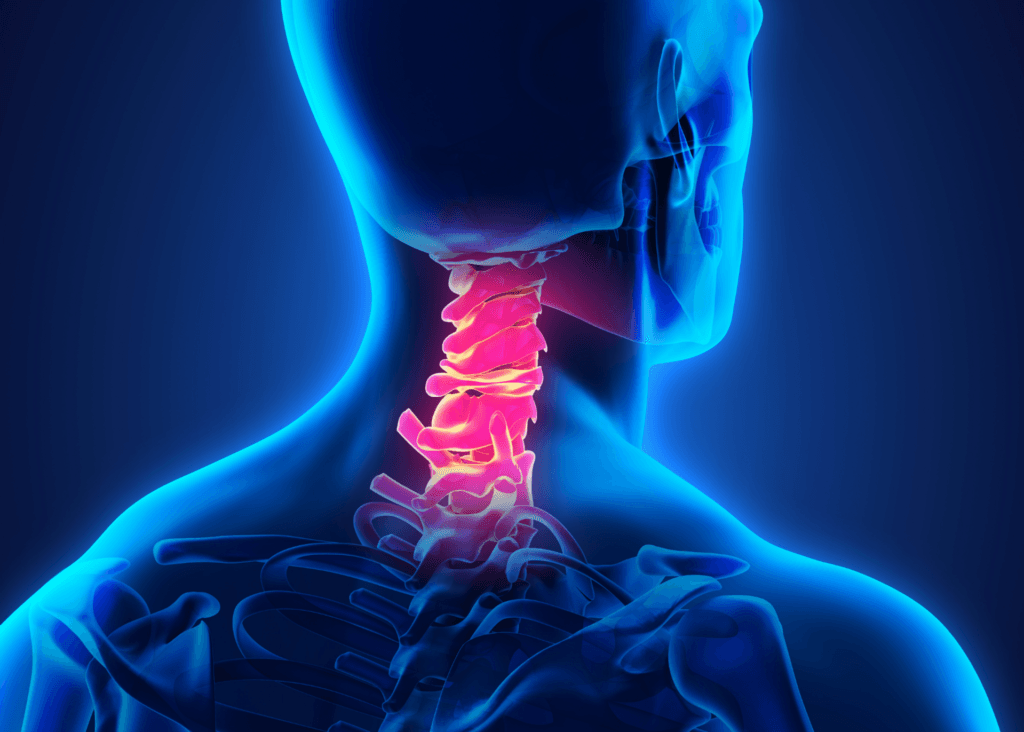
Cervical spondylosis is a common age-related condition affecting the neck portion of the spine. Over time, the discs and joints in the neck gradually wear out, leading to stiffness, pain, and sometimes nerve compression.
It is often called “neck arthritis” and today it is increasingly seen even in younger individuals due to prolonged computer use, mobile phone usage, and poor posture.
Common Symptoms
Symptoms may start slowly and worsen over time.
You may experience:
- Persistent neck pain or stiffness
- Pain spreading to shoulder or arm
- Headaches starting from the back of the head
- Tingling or numbness in arm or fingers
- Burning sensation in shoulder blade area
- Hand weakness or dropping objects
- Difficulty looking up or turning the neck
- Pain worsening after long screen use
If the spinal cord gets compressed, more serious symptoms can appear:
- Imbalance while walking
- Hand clumsiness
- Difficulty buttoning shirts or writing
- Frequent falls
Why Does Cervical Spondylosis Occur?
The cervical spine supports the weight and movement of the head. With time, daily stress causes wear and tear.
Common causes include:
- Age-related disc degeneration
- Long hours on computers or laptops
- Mobile phone overuse (“text neck”)
- Poor sitting posture
- Lack of neck muscle strength
- Previous injury
- Smoking
As discs lose height, nearby bones may form bone spurs, which can press on nerves.
Possible Complications
If nerve roots are compressed → arm pain, numbness, weakness
If spinal cord is compressed → cervical myelopathy, a more serious condition affecting balance and coordination.
Early diagnosis helps prevent permanent nerve damage.
How It Is Diagnosed
Evaluation usually includes:
- Clinical examination
- Neck movement assessment
- X-rays
- MRI scan (to check nerve or spinal cord compression)
MRI is especially important when there is numbness, weakness, or walking difficulty.
Treatment Options
Most patients improve with non-surgical treatment.
Non-Surgical Treatment
- Medications for pain and nerve irritation
- Physiotherapy and posture training
- Neck strengthening exercises
- Ergonomic corrections (workstation changes)
- Short-term cervical collar (selected cases)
Lifestyle correction plays a major role in recovery.
When Is Surgery Needed?
Surgery is recommended only when:
- Severe arm pain persists
- Progressive numbness or weakness
- Spinal cord compression
- Difficulty walking or imbalance
- Loss of hand function
- No improvement with proper treatment
The goal of surgery is to relieve nerve or spinal cord pressure and prevent permanent disability.
Modern minimally invasive and motion-preserving techniques allow safer surgery with quicker recovery.
Daily Care & Prevention Tips
- Keep computer screen at eye level
- Avoid bending neck downward for long periods
- Take breaks every 30–40 minutes
- Use a proper chair with back support
- Avoid using mobile phone in lying position
- Perform regular neck strengthening exercises
- Use a thin pillow while sleeping
When to Consult a Spine Specialist
Seek medical advice if you have:
- Arm pain with numbness or tingling
- Weakness in hand
- Persistent headaches from neck
- Difficulty walking or balance issues
- Neck pain lasting more than a few weeks
Have questions about this condition?
Consult Dr. Sajan Hegde, a pioneer in spine surgery and complex deformity correction.